
Hear from Our Customers
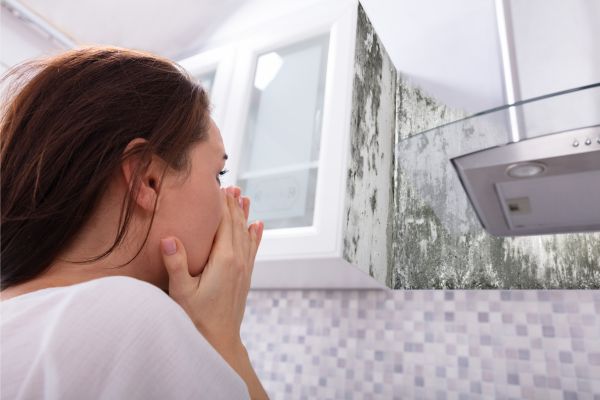
You’ve noticed the musty smell. Maybe someone in your house has been dealing with headaches or breathing issues that won’t go away. Or you’re about to buy a home and need to know what you’re getting into.
A home test kit from the hardware store won’t tell you what you actually need to know. It can’t measure spore concentration. It won’t identify the species. And it definitely can’t tell you if mold is growing inside your HVAC system or behind your walls.
Professional mold testing uses laboratory analysis to identify the type and concentration of mold spores in your home. You get a report that tells you exactly what’s present, where the moisture is coming from, and whether you’re looking at a minor issue or something that needs immediate attention. That’s the difference between guessing and knowing.
We’ve spent over 20 years helping homeowners in Hartsville, PA and throughout Bucks County deal with mold issues. We’re certified, insured, and we use the same thermal imaging and moisture detection equipment that larger commercial operations rely on.
Bucks County’s climate creates perfect conditions for mold growth. The increased precipitation over the last decade means more basements are dealing with moisture intrusion, more crawl spaces are staying damp, and more HVAC systems are circulating spores. We see it every day.
You’re not hiring a national franchise that’s going to send someone different every time. You’re working with local inspectors who know what mold problems look like in older Hartsville homes versus newer construction, and what to check for based on the season and recent weather patterns.
First, we walk through your property and talk about what you’ve noticed. Odors, visible growth, water damage history, health symptoms. That conversation tells us where to focus.
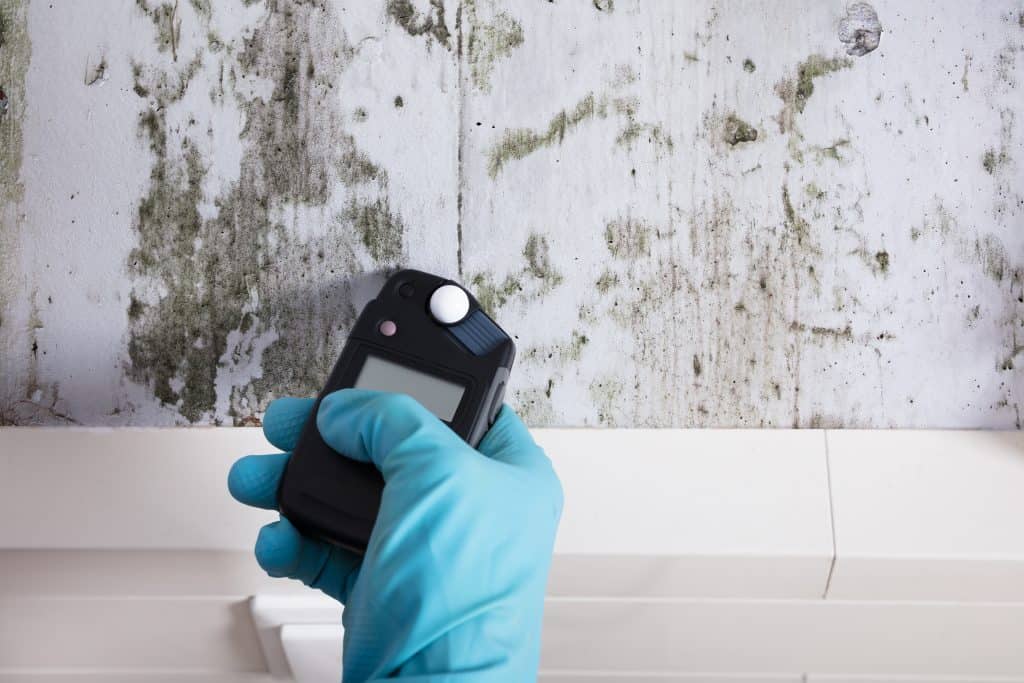
Then we use moisture meters and thermal imaging to find areas where water is present or has been present. Mold needs moisture, so if we find elevated readings behind a wall or under flooring, that’s where we look closer. We take air samples using specialized equipment that captures spores on a filter, and we may take surface samples if there’s visible growth.
Those samples go to an independent lab for analysis. The lab identifies the species of mold present and measures the concentration of spores. You get a written report that breaks down what was found in each area we tested, compares indoor levels to outdoor baseline levels, and explains what the results mean.
We walk you through the report in plain language. If remediation is needed, we explain what that looks like and what it costs. If the levels are normal, we tell you that too. You’re not getting a sales pitch. You’re getting information so you can make a decision.
Ready to get started?
Your inspection includes a full visual assessment of the property, moisture mapping with professional-grade meters, thermal imaging to detect hidden water intrusion, and air sampling in multiple areas of your home. We also inspect your HVAC system since ductwork is one of the most common places mold grows undetected.
In Hartsville and the surrounding Bucks County area, we’re seeing more mold issues tied to aging infrastructure and homes built before modern moisture barriers were standard. Basements with stone foundations, older ventilation systems, and homes near wooded areas all have specific risk factors we check for.
The lab report you receive identifies every mold species detected, provides spore counts for each location tested, and includes recommendations based on the findings. If you’re dealing with Stachybotrys (black mold), Aspergillus, or Penicillium, the report will specify that. If moisture levels suggest an active leak or ongoing intrusion, we document that with readings and images.
This isn’t a pass/fail test. It’s a detailed assessment that gives you the full picture so you know whether you’re dealing with normal background levels or a concentration that requires action.
Most residential mold testing in the Hartsville area runs between $300 and $600 depending on the size of your home and how many samples you need. A typical inspection for a single-family home with air samples from three areas and a visual assessment usually falls in the $400 to $500 range.
If you have a larger property or need testing in multiple zones like a basement, main floor, and attic, the cost goes up because we’re collecting and analyzing more samples. Each sample that goes to the lab adds to the total cost.
Some companies offer free inspections, but they’re often tied to remediation services. You end up paying for the testing through inflated remediation quotes. We charge for testing upfront because it’s an independent assessment. If you don’t need remediation, we tell you that. If you do, you’ll get an honest quote based on what the lab results show.
Home test kits can tell you if mold spores are present, but they can’t tell you how much or whether the levels are actually a problem. Mold spores exist everywhere. What matters is the concentration and the species.
Professional testing measures spore counts per cubic meter of air and compares your indoor levels to outdoor baseline levels. If your indoor count is significantly higher than outdoor, that indicates growth inside your home. A home kit can’t make that comparison.
We also use moisture meters and thermal imaging to find the source of the problem. Knowing you have mold is only useful if you know where it’s coming from and why it’s growing. A test kit won’t tell you there’s a slow leak behind your shower or that your crawl space has a ventilation problem. Professional testing gives you the full picture so you can actually fix the issue instead of just confirming it exists.
The on-site inspection usually takes one to two hours depending on the size of your property and how many areas we’re testing. We’re not rushing through it. We’re checking moisture levels, taking air samples, inspecting your HVAC system, and documenting everything.
Lab results typically come back within three to five business days. The lab is identifying spore species and counting concentrations, which takes time to do accurately. Once we receive the results, we’ll contact you to schedule a time to review the report together.
If you’re in a time-sensitive situation like a real estate transaction, let us know upfront. We can sometimes request expedited lab processing for an additional fee. Most of the time, though, a few days won’t change your situation, and it’s better to get accurate results than rushed ones.
Yes. The lab report will show spore concentrations for each area tested and identify the species present. If levels are elevated compared to outdoor air, or if toxic species like Stachybotrys are detected at any concentration, remediation is usually recommended.
The report also helps determine the scope of remediation. If mold is isolated to one area with a known moisture source, remediation might be straightforward. If spores are elevated throughout the house, that suggests a bigger problem like contaminated ductwork or widespread water intrusion.
We’ll walk you through what the results mean and what remediation would involve. You’ll know whether you’re looking at a small contained area that needs cleaning or a larger project that requires containment and removal of materials. The testing gives you enough information to make an informed decision and get accurate quotes if you decide to move forward.
Air testing can detect elevated spore levels that suggest hidden mold growth, but it won’t pinpoint the exact location inside a wall. That’s where moisture meters and thermal imaging come in. We scan walls, ceilings, and floors to find areas with elevated moisture or temperature differences that indicate water intrusion.
If we find a suspicious area, we can take a surface sample or recommend an invasive inspection where we make a small opening to visually confirm what’s happening inside the wall cavity. Most of the time, moisture readings combined with air sample results give us enough information to know whether hidden mold is likely.
Mold inside walls usually shows up in air samples because spores become airborne and circulate through your home. If your air quality is normal and there’s no elevated moisture, hidden mold is unlikely. If air samples show high spore counts but there’s no visible growth, we start looking for concealed sources using our detection equipment.
No. Mold testing is non-invasive and doesn’t create any hazards. We’re taking air samples, using moisture meters, and doing a visual inspection. There’s no demolition, no chemicals, and nothing that would require you to leave.
You’re welcome to stay and follow along during the inspection. A lot of homeowners prefer to be there so they can point out areas of concern and ask questions as we go. It also helps us understand the history of the property and any issues you’ve noticed.
The only thing we ask is that you close windows and doors for a few hours before we arrive. Air sampling works best when the home has been closed up so we’re measuring your normal indoor air quality, not outside air that’s just blown through. Other than that, your daily routine doesn’t need to change.
Other Services we provide in Hartsville